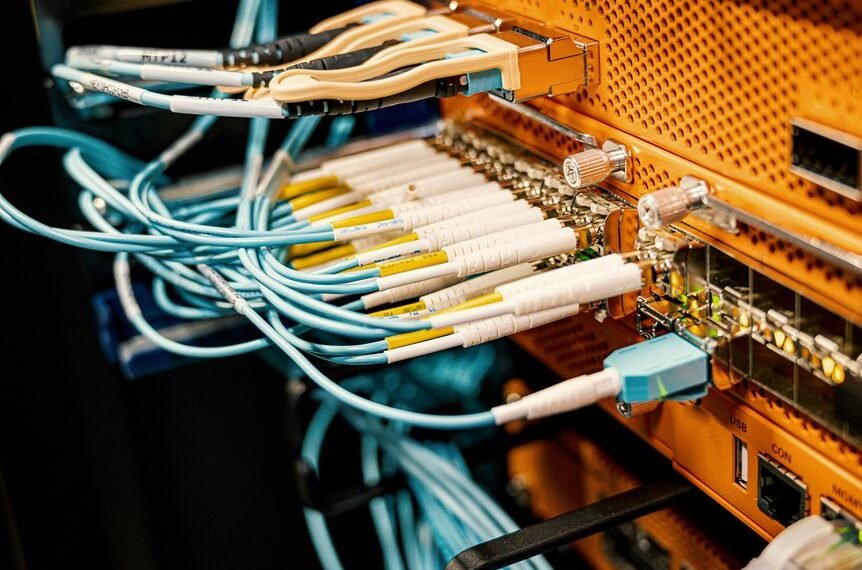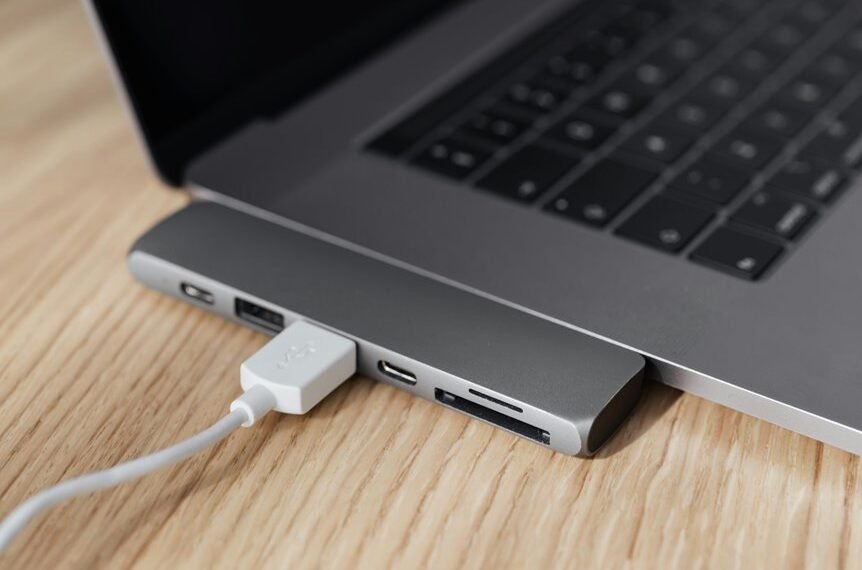

The Smart Tech Gateway 911906176 Web Toolkit presents a secure, centralized framework for managing connected devices via a standardized web interface. It exposes a modular API and dissects system layers to reveal controllers, services, and endpoints. Its emphasis on security, real-time data handling, and plug-and-play components supports scalable, interoperable deployments. Yet questions remain about governance, latency optimization, and integration paths, inviting further examination of how these elements interact in real-world deployments.
How the Smart Tech Gateway 911906176 Web Toolkit Works
The Smart Tech Gateway 911906176 Web Toolkit enables secure, centralized control of connected devices by exposing a standardized web-based interface and a modular API. It dissects system layers to reveal functional components, detailing how data flows between controllers, services, and endpoints. Exploring architecture reveals modular coupling; evaluating scalability tests demonstrates horizontal expansion, resilience, and management efficiency for growing device ecosystems.
Why Developers Choose the Web Toolkit for IoT Projects
Why do developers gravitate toward the Web Toolkit when tackling IoT projects? It offers streamlined integration, scalable architecture, and robust tooling, enabling rapid prototyping without sacrificing reliability. The toolkit emphasizes latency optimization and device interoperability, reducing end-to-end delays while ensuring cross-device compatibility. A detached, analytical stance highlights consistent APIs, clear governance, and predictable performance—factors preferred by engineers seeking disciplined yet liberating development cycles.
Key Features: Security, Real-Time Data, and Plug-and-Play Components
Security, real-time data handling, and plug-and-play components define the core capabilities of the Smart Tech Gateway Web Toolkit. The architecture emphasizes robust security, minimizing exposure to security challenges while enabling scalable access. Real time analytics power responsive decisions, with continuous data streams fed into adaptive dashboards. Modular components ensure rapid integration, clarity, and freedom from vendor lock-in, enhancing trustworthy experimentation.
Getting Started: Setup, Integration, and Troubleshooting Tips
Getting Started with the Smart Tech Gateway Web Toolkit involves a structured, stepwise approach to setup, integration, and troubleshooting. The analysis emphasizes streamlined setup integration workflows, clear troubleshooting tips, and secure handling of security real time data. Emphasis remains on reliability, interoperability, and plug and play components, enabling autonomous deployment while maintaining rigorous standards and minimized downtime.
Conclusion
The Smart Tech Gateway 911906176 Web Toolkit centralizes IoT orchestration with a secure, modular architecture that clarifies data flows across controllers, services, and endpoints. In practice, teams treat it like a well-lit railway switchyard: trains (data streams) arrive on time, routes adjust in real time, and bottlenecks are resolved before disruption. A study of pilot deployments shows latency reductions and smoother plug-and-play integration. The toolkit empowers scalable, governance-ready IoT ecosystems with measured, efficient performance.


 By
By