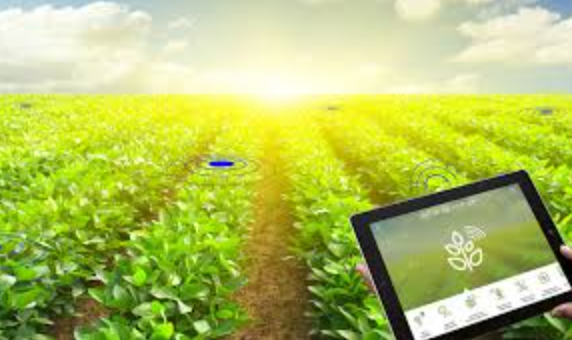

The integration of IoT applications in modern farming presents a transformative approach to agriculture. By utilizing sensor technology, farmers can monitor critical variables such as soil health and moisture levels. This data-driven strategy not only enhances crop management but also optimizes resource allocation. Moreover, smart irrigation systems further minimize water waste, tailoring usage to specific crop requirements. As these advancements reshape traditional practices, the implications for sustainability and productivity warrant closer examination.
How IoT Enhances Crop Monitoring and Management
The integration of Internet of Things (IoT) technology in agriculture significantly transforms crop monitoring and management practices.
By leveraging automated analytics, farmers can collect real-time data on soil conditions and crop health.
Predictive modeling further enhances decision-making, allowing for proactive interventions that optimize yield while minimizing resource use.
This innovative approach empowers growers, fostering a sustainable and efficient agricultural ecosystem.
The Role of Smart Irrigation in Water Conservation
Smart irrigation systems exemplify the application of IoT technology in addressing water conservation challenges within agriculture.
By integrating moisture sensors with drip irrigation, these systems optimize water usage, ensuring crops receive the precise amount required for growth.
This innovative approach not only reduces water waste but also enhances efficiency, promoting sustainable farming practices that align with the growing demand for responsible resource management.
Leveraging Sensor Technology for Soil Health Insights
Numerous advancements in sensor technology are enabling farmers to gain critical insights into soil health, thereby enhancing crop management strategies.
By continuously monitoring soil moisture and nutrient levels, these sensors facilitate precise data collection, allowing for informed decisions that optimize resource use.
This innovative approach not only promotes sustainable farming practices but also empowers farmers to maintain soil vitality and improve overall yield.
See also: mediajio
Benefits of IoT-Enabled Livestock Management Systems
While traditional livestock management often relies on manual observation and practices, IoT-enabled systems offer a transformative approach that enhances both efficiency and productivity.
These systems facilitate precise animal tracking and comprehensive health monitoring, allowing farmers to make data-driven decisions.
Conclusion
In conclusion, the integration of IoT applications in modern farming significantly optimizes agricultural practices by enhancing crop monitoring, improving water conservation, and providing critical insights into soil health and livestock management. Notably, a study indicates that farms utilizing IoT technologies can experience up to a 30% increase in crop yields, underscoring the transformative potential of these innovations. As the agricultural sector continues to embrace digital solutions, the prospects for sustainable and efficient farming practices become increasingly promising.


 By
By


 By
By