
The integration of IoT applications in smart homes and buildings marks a significant shift in how occupants engage with their environments. These interconnected systems enhance convenience, optimize energy usage, and bolster security through real-time data processing. By examining the implications of automation and personalized settings, one can uncover the multifaceted benefits and potential challenges that arise within this evolving landscape. The exploration of these aspects reveals a complex interplay that shapes the future of modern living.
Smart Home Automation: Enhancing Daily Life With Iot
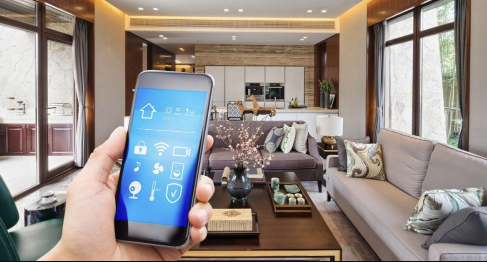
Smart home automation represents a transformative approach to daily living, integrating Internet of Things (IoT) technology to create interconnected environments that enhance convenience and efficiency.
Voice control empowers users, enabling hands-free management of devices. Personalized automation systems adapt to individual preferences, optimizing routines and fostering a sense of freedom.
This innovative framework redefines domestic landscapes, promoting seamless interactions between inhabitants and their smart environments.
Energy Efficiency Solutions: How IoT Optimizes Consumption
The integration of IoT technology in smart homes extends beyond automation to significantly enhance energy efficiency.
Smart thermostats play a crucial role by utilizing algorithms that adapt to user behavior, optimizing heating and cooling.
Additionally, demand response systems react to real-time energy pricing, allowing homeowners to adjust consumption patterns proactively.
This synergy between technology and user engagement fosters sustainable living while maximizing comfort.
See also: IoT Applications in Modern Farming
Advanced Security Measures: Protecting Your Home With Iot
While traditional security systems often rely on static measures, the integration of IoT technology transforms home security into a dynamic and responsive framework.
Advanced solutions, such as biometric access and remote monitoring, enable homeowners to manage security in real-time.
This innovative approach not only enhances protection but also empowers individuals, granting them greater control over their living environments while ensuring a secure home.
Future Trends in Smart Buildings: What to Expect From Iot Innovations
As IoT technology continues to revolutionize home security, its influence is expanding into broader applications within smart buildings.
Future trends indicate a shift towards predictive maintenance, leveraging data analytics to anticipate system failures before they occur.
Additionally, the integration of smart materials will enhance energy efficiency and structural adaptability, paving the way for sustainable, intelligent environments that prioritize occupant comfort and operational autonomy.
Conclusion
In conclusion, IoT applications in smart homes and buildings are akin to a conductor guiding a symphony, harmonizing diverse elements into a cohesive and efficient living experience. With a projected 30 billion connected devices by 2030, the transformative potential of these technologies is undeniable. As automation, energy efficiency, and security converge, they not only optimize day-to-day life but also pave the way for a more sustainable future, echoing the evolving needs and desires of modern occupants.


 By
By



 By
By